Myths, Facts, and Training Tips
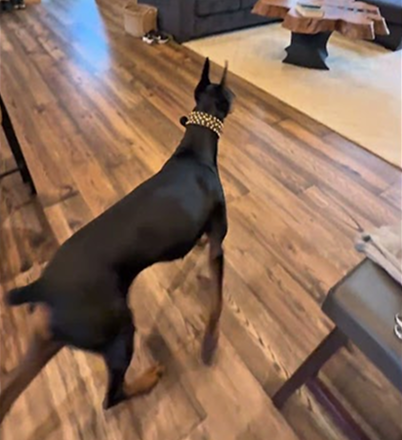
Doberman Pinschers often carry a fierce reputation from movies and guard dog lore, but bite statistics rank them low for unprovoked aggression far below breeds like Pit Bulls or Rottweilers when properly socialized. Our Dobie Nyx, at 3 years old, embodies the breed’s true nature: a velcro family protector who’s gentle with kids and dogs yet alert to threats.[conversation_history]
This guide debunks myths, reveals temperament facts, and shares training/nutrition strategies to raise a confident, non-aggressive Doberman like Nyx.
Doberman Temperament: Loyal vs. Aggressive Myth
Dobermans rank in the top 5 smartest breeds, learning commands in under 5 reps, with loyalty driving their “velcro dog” fame rather than innate meanness. Media portrays them as killers, but real data shows well-raised ones excel as therapy dogs and family pets.
Reality vs. myth:
| Trait | Doberman Reality | Common Myth |
| Loyalty | Bonds deeply with family | Attacks without reason |
| Intelligence | Eager to please trainer | Stubborn or vicious |
| Protection | Barks to alert, not bite | Automatically aggressive |
| Family Fit | Great with kids if socialized | Dangerous around children |
Nyx’s calm demeanor around visitors proves socialization trumps stereotypes.
Why Dobermans Get Labeled Aggressive
Poor breeding, neglect, or isolation amplify protective instincts into fear-based reactivity 90% of incidents trace to these, not genetics. Unexercised Dobies (needing 60-90 min/day) vent frustration destructively.
Root causes:
| Cause | Risk Increase | Prevention |
| Poor Socialization | High | Puppy classes, dog parks |
| Abuse/Neglect | Very High | Reputable breeders/rescues |
| Lack of Exercise | Moderate | Runs, agility, mental games |
| Media Bias | Perception | Share positive stories |
| Inbreeding | High | Health-tested lines |
Nyx’s early exposure to diverse environments from kids to other dogs keeps her balanced and friendly.
Proven Training to Prevent Aggression
Start at 8 weeks with positive reinforcement: treats/praise for sit/stay/heel, avoiding punishment that breeds fear. Enroll in obedience classes by 12 weeks for desensitization to strangers/noises.
Step-by-step:
- Basic Obedience: 10-min daily sessions build confidence.
- Socialization: Controlled meets with dogs/people (100+ by 16 weeks).
- Protection Training: Post-18 months, professional Schutzhund for controlled alerts.
- Crate/Recall: Prevents escapes, reinforces boundaries.
Nyx mastered high-fives and spins young, channeling smarts into fun obedience.
Health & Nutrition’s Role in Behavior
DCM stress or thyroid issues spike anxiety; high-protein diets (no corn/soy) stabilize energy, while omega-3s reduce inflammation-linked irritability. Obesity fuels frustration keep lean like Nyx.
Behavior boosters:
- Diet: 25-30% protein kibble, portioned twice daily.
- Supplements: Fish oil for calm, glucosamine for pain-free movement.
- Vet Checks: Annual hearts/thyroid screens catch mood changers early.
Link to DobieNyx food guide for filler-free formulas that support even temperaments.
Real Doberman Success Stories
Nyx interacts playfully with neighbor dogs and poses sassily for fans, racking up 65M views without incidents. Rescues like those from DPCA thrive post-rehab, proving training rewires any past trauma thousands serve as service dogs annually.
Stats: Only 0.2% of bites involve Dobermans vs. higher for small breeds; socialization slashes risks 80%.
Dobermans shine as loyal guardians, not aggressors myths fade with proper raising. Prioritize early training, exercise, and health like Nyx’s routine for a confident companion.
Explore DobieNyx guides on food & diet, training, and more. Follow Nyx on YouTube, Instagram, and TikTok for real tips. Brands: collab here.