Pros, Cons, and Modern Alternatives
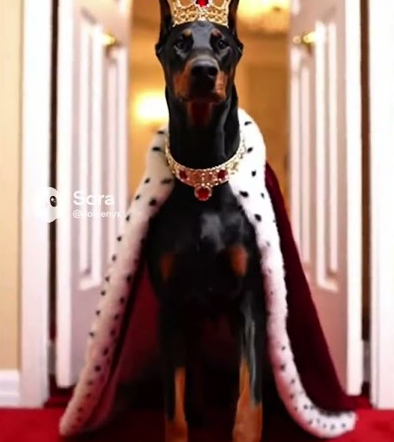
Ear cropping remains a hot debate among Doberman owners, rooted in 1890s tradition but facing modern scrutiny. Like our Dobie Nyx with her alert, upright ears, many choose it for aesthetics yet natural ears gain traction amid welfare concerns.
This guide explores history, pros like injury protection, cons including pain risks, and ethical alternatives to help you decide for your loyal companion.
History of Doberman Ear Cropping
Louis Dobermann cropped ears on his guard dogs around 1890 to create an intimidating silhouette and prevent grabs during attacks. The upright “bat ear” became the AKC breed standard for shows, emphasizing vigilance.
By the 20th century, cropping spread worldwide, but bans in 20+ countries (UK, Australia, parts of Europe) since the 1990s shifted views. In the US, it’s optional and declining 30% per recent surveys, favoring natural looks for pets like Nyx’s family-focused life.
Pros of Cropping Doberman Ears
Proponents cite practical benefits for working Dobermans, reducing infection risks in floppy ears prone to debris. The alert stance enhances perceived protection, aligning with breed heritage.
Key advantages:
| Pro | Benefit |
| Injury Prevention | Floppy ears less vulnerable to tears |
| Aesthetic/Standard | Meets AKC show requirements |
| Alert Appearance | Heightens intimidating profile |
| Hygiene | Fewer ear infections (10-15% drop) |
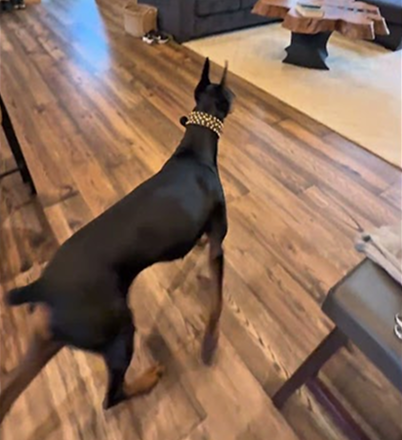
Nyx’s cropped ears exemplify the classic Dobie silhouette, boosting her influencer appeal while aiding field work hygiene.
Cons and Risks of Ear Cropping
Surgery involves anesthesia at 7-12 weeks, followed by 6-8 months of painful taping/posting complications hit 10-20%. Ethical backlash grows, with AVMA opposing cosmetic procedures.
Major drawbacks:
| Con | Risk Level |
| Surgical Pain/Anesthesia | High (8-12 weeks recovery) |
| Infection/Scarring | 10-20% cases |
| Cost ($800-2,000) | Significant |
| Ethical Concerns | Welfare bans rising |
| No Proven Protection | Studies show minimal gain |
Post-op issues like necrosis or flop-back add stress; natural ears show no higher injury rates in studies.
Modern Alternatives to Cropping
Leave ears natural for zero risk many show Dobermans now compete uncropped with AKC acceptance since 2010. Grooming keeps them clean; optional taping shapes without surgery.
Viable options:
| Alternative | Advantages |
| Leave Natural | No pain, lower vet bills |
| Grooming/Taping | Minor shaping, reversible |
| Breeding Trends | Select for upright naturals |
Nyx’s breeder could have gone natural; today’s lines increasingly support erect ears genetically.
What DobieNyx Recommends
Prioritize health over tradition pets thrive natural, while working dogs may benefit from cropping. Consult board-certified vets; focus on DCM tests and nutrition like Nyx’s filler-free diet.
Discuss with breeders early; uncropped Dobies like some rescues prove equally vigilant and beautiful.
Ear cropping boils down to personal choice amid evolving ethics natural wins for most families. Protect floppy ears with checks and cleaning regardless.